Most work environments speak about fire wardens as if the function is a single work. In technique, emergency situation reaction inside a structure works best when responsibilities are split between wardens that manage floor‑level activities and a chief warden who collaborates the entire case. The distinction matters the minute an alarm system seems. One concentrates on individuals and areas they understand by sight. The other checks out the whole website, makes decisions under essential tasks for chief wardens time pressure, and communicates with the fire solution. When those two duties are clear, drills run cleanly and real discharges prevent the time‑wasting confusion that results in injuries.

This overview unpacks the day‑to‑day responsibilities of a fire warden and a chief warden, the training paths like PUAFER005 and PUAFER006 that underpin competence, and the practical information that help an office follow requirements while developing a calmness, capable Emergency situation Control Organisation.
The Emergency situation Control Organisation, clarified by experience
An Emergency situation Control Organisation, frequently reduced to ECO, is the organized team within a center that takes charge during an emergency. The ECO is not a theoretical chart on a wall. In a real-time emptying, it ends up being a basic chain of action and details. Fire wardens move locations, control doors, and assist people out. A chief warden commands from a control factor, validates alarm systems, escalates or de‑escalates actions, and interacts with initial responders. Communications, timing, and clear duty implementation determine whether the procedure really feels organized or chaotic.
In Australian workplaces, the nationwide competency units anchor this framework. PUAFER005, labelled Run as component of an emergency situation control organisation, develops the foundation for wardens. PUAFER006, Lead an emergency situation control organisation, develops the management and control skills needed for the chief warden and replacements. Whether you are a center manager in a high‑rise, a security lead in a storehouse with rotating shifts, or an institution business manager, these units form both initial training and refreshers.
What a fire warden actually does
A good fire warden is part precursor, component guide. They know their location's format, the likely traffic jams, and who may struggle to leave. They additionally handle the very first important decisions when a smoke alarm or hand-operated telephone call factor triggers an alarm.
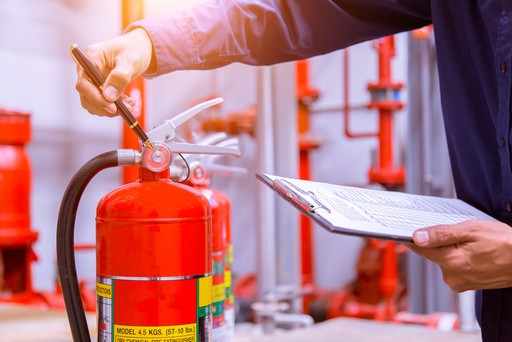
Before an occurrence, experienced wardens stroll their patch regularly, not simply throughout yearly drills. They learn which doors in some cases jam, which stair footsteps are loose, and where brand-new furniture has actually sneaked into egress paths. They maintain a quiet eye on fire extinguishers, signage, emergency situation lights, and the standing of emergency treatment kits. While formal examinations are generally managed by facilities or service providers, wardens are the ones who discover very early and record problems rapidly. They additionally help determine mobility demands and establish individual emergency evacuation prepare for personnel or frequenters who require assistance.
During an alarm, the warden switches to task setting. They check the nearby details point or panel repeat indicator for instructions. If the website utilizes presented alarms, they validate whether to investigate or leave. They browse their location, relocating with function but not running, calling out areas, inspecting restrooms and storage places, and assisting individuals to the proper exit. They avoid obtaining stalled in minor tasks. If a small, incipient fire is safe to attack with a nearby extinguisher, they may do so, but only when it will certainly not place them at risk and only after calling for help. They prevent individuals re‑entering, close doors behind them to limit smoke spread, and record standing to the principal warden.
After an emptying, a warden does a head count based on roll or area expertise, notes any kind of missing out on individuals, and records to the assembly location controller. If a person rejected to leave, or if a locked door impeded the move, the warden says so clearly. Clear, candid coverage aids the chief warden and firemens prioritize their following moves.
The PUAFER005 course trains these routines. It is useful deliberately: understanding alarms, sweeps and searches, using fire equipment, assisting people with impairments, and working within the ECO structure. When a training service provider supplies PUAFER005 well, individuals invest more time relocating and making decisions than enduring slides. Situations assist people discover the uncomfortable bits like informing a supervisor to leave the building during a live client meeting.
The chief warden's duty, and why it feels different
If fire wardens are the legs of the ECO, the chief warden is the head. This function takes the broad sight and makes calls that influence the entire website. It needs tranquil under uncertainty and a determination to make decisions with incomplete information.
When an alarm system activates, the chief warden heads to the control point, typically a fire control area, warden intercom panel, or a designated workstation near an emptying layout. They check out the fire sign panel, confirm the zone, and direct wardens to check out if the site's emergency situation strategy enables. They start staged discharge if required. They call Triple Zero if the alarm system is validated or if there is any type of doubt and the danger necessitates it. They coordinate with building administration, safety and security, and plant operators. Throughout emptying, they keep track of interactions, keep track of which floorings have been cleared, and change methods if stairways are blocked or smoke shifts patterns because of HVAC.
A seasoned chief warden recognizes just how to press interactions. They request for details information: location clear, individual missing out on, hazard kept in mind, or fire observed. They do not hold the radio button down with lengthy speeches. They additionally understand when to rise. False alarms happen, but waiting on assurance wastes the mins that count. Most principal wardens I have educated state the first genuine incident showed them to take little, very early actions also while collecting more detail.
The chief warden's obligations do not finish at the assembly location. They verify headcount, liaise with the fire solution on arrival, turn over a concise scenario report, and go back when the event controller from the authority assumes control. They continue to be available, typically supplying information concerning building systems, keypad areas, FIP areas, roofing system gain access to, and any kind of unique risks like gas cylinders, batteries, or server areas with clean representative suppression.
The PUAFER006 course concentrates on this leadership layer. Its complete title, Lead an emergency situation control organisation, mean the emphasis on command existence, structured decision‑making, and interaction under pressure. An excellent PUAFER006 course places a radio in your hand, gives you a loud, ambiguous situation, and forces you to sequence actions while remaining intelligible. It must additionally cover handover to emergency situation services and post‑incident debriefing.
Hat colours and visual identifiers
People ask about fire warden hat colour more often than you could anticipate. High‑visibility safety helmets, caps, or vests assist bystanders place leaders in a crowd. Conventions differ a little by area and sector, however typical technique in Australia follows this pattern. Fire wardens use red helmets or red vests. The chief warden uses white. Replacement chiefs or interactions police officers typically wear white with determining markings or occasionally yellow. If you require a fast memory help, think about a fire engine for wardens and a white commander's vehicle for the chief.
If a person asks, what colour helmet does a chief warden wear, the plain response is white. The purpose is quality, not style. In a noisy loading dock or a college oval packed with pupils, that white headgear or white chief warden hat helps people know whom to approach for directions. Numerous organisations likewise use arm bands for offices where headgears feel out of place. Whatever you choose, correspond and preserve the equipment. A damaged sticker label on a faded cap does not motivate self-confidence throughout a real incident.
Staffing the ECO: numbers, changes, and coverage
How lots of wardens do you require? The answer relies on flooring location, danger account, tenancy, and change patterns. The goal is insurance coverage, not approximate proportions. In a lot of multi‑storey offices, a floor warden per tenancy or per zone jobs, sustained by wardens at each stairwell and entrance hall. Stockrooms with big floor plates require coverage near high‑risk locations like battery billing terminals and packaging lines. Institutions allot wardens per block and playground zones. Healthcare facilities run a more complex version because of patient activity constraints.
Think in layers. Initially, make sure each location can be swept promptly. Second, guarantee redundancy. Individuals depart or move roles. Third, cover changes. If you have a night shift with ten team, you still need a warden and a clear line to a chief warden or an on‑call event leader. Training lineups must mirror this truth. One of the most common failure I see is a website with 5 trained wardens theoretically, yet only one is ever before existing on a common day.
Fire warden requirements in the workplace
The core need is proficiency backed by training, not a tick‑box certificate alone. That suggests completing a fire warden course lined up to PUAFER005, participating in normal drills, and being noted in the ECO with up‑to‑date contact information. Companies ought to record the emergency strategy, discharge layouts, warden roles, and devices places. They ought to also sustain refreshers. A useful tempo is annual drills and refresher training every 1 to 2 years, adjusted by threat and turnover.
Fire warden training needs likewise consist of experience with your details structure systems. A warden educated generically yet not familiar with your fire panel's resemble display, your door equipment, or your haven areas will think twice at the incorrect moment. Walk the website with new wardens. Show them exactly where the external setting up area sits about wind and web traffic. If you share a site with other renters, coordinate. Blended messages over a common PA system can undo great preparation.
Chief warden demands and readiness
Chief wardens need to complete PUAFER006 or an equal chief warden course that maps clearly to that expertise. They require a replacement, and often a second deputy for huge or intricate websites. They ought to be included in wider business continuity planning since emptying could be one branch of a bigger incident. Turning is wise. Construct a small bench of individuals that can step into the primary duty when the key is away. Throughout drills, swap duties sometimes so replacements obtain time in the warm seat.
Because the chief warden manages outside interaction, written and talked quality issues. I commonly suggest brief radio drills: two minutes at the start of a team conference, a quick circumstance, then a reset. In three months, your ECO will certainly seem like an exercised crew as opposed to a worried group stumbling over the push‑to‑talk.
Training courses: PUAFER005 and PUAFER006, and just how to use them well
The PUAFER005 course, Operate as part of an emergency situation control organisation, matches wardens and area supervisors that need to act decisively in their immediate setting. It covers alarms, discharge procedures, human actions, standard firefighting devices, and teamwork within the ECO. A top quality delivery includes reasonable walk‑throughs and hands‑on operation of manual call factors, extinguishers, and door launch devices. Assessment needs to seem like presentation instead of a scholastic quiz.
The PUAFER006 course, Lead an emergency control organisation, improves that. It thinks PUAFER005 understanding and afterwards layers management, communication, and incident control. Expect scenario work with changing info, escalating directions, and time pressure. The most effective training courses consist of a debrief that mentions not just mistakes but also where choices were sound given the info readily available at the time. That state of mind helps leaders avoid paralysis in genuine events.
Many companies pack these into an emergency warden course stream so wardens can upskill to chief warden training later. Pick a supplier that recognizes your field. A distribution centre with dangerous items has different rhythms than an university campus. Ask just how they tailor scenarios.
Comparing roles through a useful lens
The most basic method to understand the distinction in between fire warden and chief warden is to consider choices they make in the very first 5 minutes. A fire warden determines which course to take, that requires assistance, and whether a small fire can be torn down safely. A chief warden chooses when to intensify from alert to evacuation, which floorings move initially, and when to call emergency solutions if the panel information is unclear. Both roles rely upon trust fund. The principal has to trust wardens' reports. Wardens must trust the chief's timing.
A narrative shows the factor. In a multi‑tenant office tower, a smell of melting plastic stumbled an alarm on degree 13. The floor warden inspected the server area and located an overheated power supply with light smoke yet no noticeable fire. The chief warden, listening to that record, got a presented evacuation. He held degree 15 in position to stop stairwell blockage, sent a jogger to close down the a/c to quit smoke spread, then called Triple Zero. By the time firemens showed up, the web server rack had cooled with an extinguisher and the situation stayed consisted of. The selection to hold a floor sounded odd to some occupants, yet it maintained the stairwells clear for the reacting staff. That choice belongs to a chief warden educated to believe in layers rather than a solitary floor view.
Equipment: radios, panels, and practicalities
In a loud emergency, radios beat cellphones. Outfit wardens with UHF radios pre‑programmed to a dedicated channel. Supply spare batteries at the control factor. Run a fast radio check prior to an intended drill so individuals understand how their devices behave. Keep communications short and details. "Degree 4 east wing clear, one mobility assist headed to Stairway B" tells a chief warden what matters.
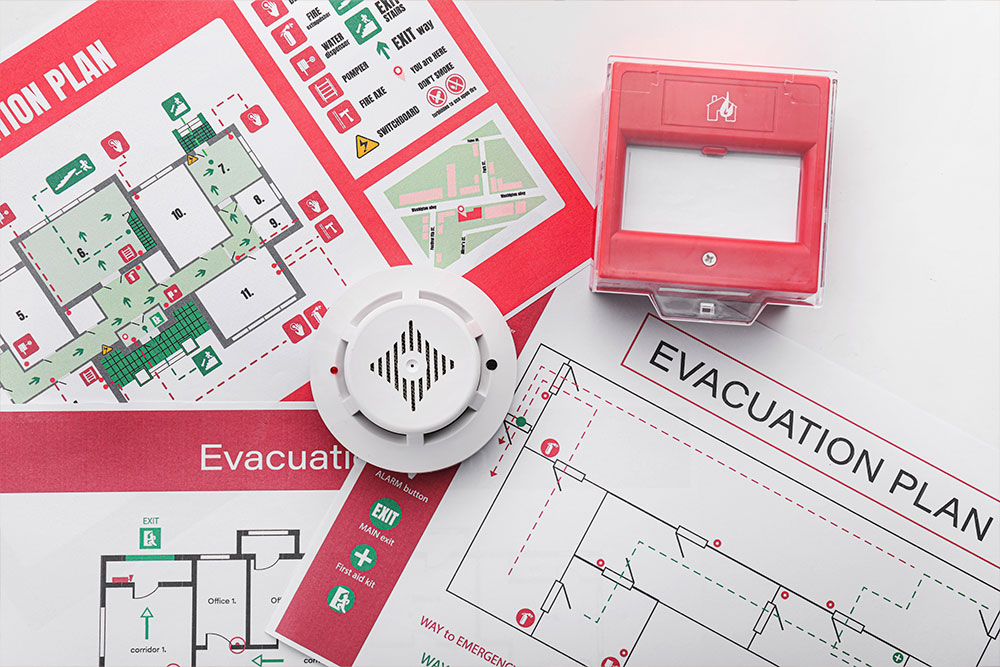
Every ECO must have access to building information that makes handover to firemans smooth. That includes an existing site strategy, unsafe products register, secrets to plant spaces, and a listing of critical shutoffs. If you manage a site with facility systems like gas suppression in an information centre or lithium battery storage, offer the chief warden a simple laminated rip off sheet to reference under stress. It is not concerning memorizing every information. It has to do with making the best activity obvious at the ideal time.
Human actions, the component training should respect
People seldom act like the representations in emptying posters. Some will wish to end up an e-mail. Others will certainly try to make use of lifts. Supervisors sometimes hesitate to desert meetings with customers. The warden's quiet self-confidence and visibility changes outcomes. A solid voice, clear directions, and eye get in touch with issue more than you assume. Regard that some individuals panic. Pair them with calmer associates. Anticipate that a person or two will certainly head to their automobile out of routine. Terminal a warden at the parking lot entrance if your design urges that impulse.
Chief wardens ought to expect fragmented reports and make area for them. Throughout a drill at a factory, I enjoyed a chief warden ask, "What do you need?" instead of "What is your status?" The reply shifted from an unclear "We're almost clear" to "We require a second individual to aid relocate a worker on crutches." The ideal inquiry created the right action.
Colour, identification, and chairing the assembly
At the setting up area, aesthetic identifiers remain crucial. The chief warden in white ought to stand near the assembly indication, preferably on a minor elevation if available, so they become a prime focus. Area wardens in red team their teams, run a fast count, and feed numbers up. Nothing drags a drill out like silence on the radio while individuals await approval to report. Show wardens to speak when ready. A short, crisp "Advertising 22 represented, one checking out contractor unidentified, likely left website half an hour ago" is much better than a mumbled head count without context.
Common pitfalls and exactly how to avoid them
- Overreliance on a single person: If your chief warden is a single factor of failure, routine a deputy into every drill and provide time at the controls. Equipment familiarity spaces: New panels, brand-new intercoms, or a recent refurbishment can transform positive people uncertain. Do a 15‑minute show‑and‑tell after any change. Assembly location drift: If the designated location ends up being dangerous as a result of web traffic or construction, update layouts and signs swiftly. Do not rely upon spoken updates alone. Forgotten contractors and site visitors: Sign‑in systems are just comparable to the procedure at discharge. Train reception to bring a site visitor checklist and make certain wardens recognize how to browse rooms site visitors frequent. False alarm complacency: After a few problem alarms, people ignore. Counter this by differing drill circumstances, sharing short incident learnings, and maintaining administration assistance for prompt evacuations.
Selecting and supporting wardens
Not everybody takes pleasure in directing others under tension. When picking wardens, try to find stable personality, excellent knowledge of the location, and credibility among colleagues. Ranking aids but is not essential. A few of the best wardens I have actually seen are mid‑level personnel that recognize every corner of their floor and have the persistence to shepherd individuals without flaring tempers.
Support them with time and acknowledgment. Place warden obligations in work summaries. Tell new hires who the wardens are. Post their names and pictures near emptying diagrams. Change old vests and radios without quibbling. If somebody does a good job during a drill or a genuine event, say so publicly. That small motion builds a society where people offer as opposed to evade the responsibility.
The training cadence that actually works
A practical pattern appears like this. Wardens complete a fire warden course straightened to PUAFER005, with functional workouts on website. Principal wardens and deputies complete the PUAFER006 course and run a short interior scenario once a quarter. The website runs 2 formal evacuations a year, one with advance notification to decrease disturbance and one shock to evaluate preparedness. After each, hold a 15‑minute debrief. Record 3 things that worked out and three points to transform. Assign proprietors to solutions. Maintain the loop little and tight so modifications happen prior to the following drill.
If you need a bridging option in between programs, run a short warden training freshen focusing on a solitary ability, like utilizing fire extinguishers or radio brevity. Micro‑drills build self-confidence without hindering operations.
Pathways and development for individuals
Many people start as wardens and move into the chief duty after a year or more. That progression makes sense. PUAFER005 grounds them in the usefulness. PUAFER006 after that expands their lens. A chief warden course is a superb step for a facilities coordinator, security advisor, or operations manager who already lugs duty for individuals and properties. If you are developing an interior pathway, map it clearly. Let wardens know what extra training and exposure they require to lead. Welcome them to being in the control space during a drill to observe the principal at the workplace. That tailing usually removes the enigma and fear.
Sector nuances: workplaces, market, education, healthcare
Offices commonly deal with group circulation obstacles in stairwells and sychronisation with multiple renters. Wardens must understand alternate routes and how to https://louiskxix007.huicopper.com/chief-warden-course-just-how-to-lead-an-emergency-situation-control-organisation avoid channeling everyone to the exact same touchdown. In industrial setups, machinery closures and unsafe products introduce additional actions. Wardens require to recognize exactly how to separate devices securely and when not to step in. Schools deal with pupils that may spread or delay to accumulate possessions. Simple, duplicated guidelines and solid teacher‑warden sychronisation make the distinction. Healthcare settings complicate discharge with people that can not move. Defend‑in‑place strategies, straight discharges, and compartmentation are common. In each market, tailor training. The unit codes stay beneficial, but the situations must fit your reality.
The quiet worth of documentation
A tidy, present emergency situation strategy is not a binder for auditors. It is a living reference. Maintain discharge layouts accurate. Evaluation them after format changes. Record ECO subscription with names, roles, and get in touch with numbers. Maintain the last two debriefs' notes at the control point. During one event at a head workplace, the inbound fire police officer discovered the notes and instantly understood prior concerns with a stubborn magnetic door. The fix was underway. That little minute built count on in between the website team and the responders.
Putting it all together
Fire wardens and chief wardens carry out various, complementary jobs. Wardens act in your area with rate and existence. Chief wardens lead the whole action, tie together pieces of info, and make time‑sensitive choices. The training paths mirror this split. PUAFER005 instructs people to run as part of an emergency control organisation. PUAFER006 prepares them to lead one. Both should have useful delivery, constant refresher courses, and visible monitoring support.
If you are setting up or strengthening your ECO, begin with clear duties, right‑sized staffing, and reasonable drills. Purchase communication abilities as high as technical understanding. Use straightforward aesthetic identifiers: red for wardens, white for the principal. Preserve devices and paperwork. Most importantly, cultivate a society where people comply with guidelines since they trust the leaders giving them. In an emergency, that depend on reduces doubt, opens up stairwells, and obtains everybody outside faster. That is the actual procedure of an experienced ECO, and it is accessible when training converts into exercised, confident action.